
According to the World Health Organization, malaria continues to cause more than half a million deaths every year, with the overwhelming majority occurring in sub-Saharan Africa and among young children.
The recent introduction of malaria vaccines represents a major scientific breakthrough. However, even highly effective vaccines that protect individuals against disease may not be sufficient to interrupt parasite transmission and achieve long-term elimination.
The PfVIMT (Plasmodium falciparum Vaccine to Interrupt Malaria Transmission) project was launched to address this challenge.
The project is developing and innovative vaccine strategy targeting multiple stages of the parasite, designed not only to protect vaccinated individuals against malaria, but also to reduce transmission within communities. By combining two of the most advanced malaria vaccine technologies currently available, PfVIMT aims to gather the data needed to accelerate the approval of a next-generation malaria vaccine capable of supporting disease elimination efforts.
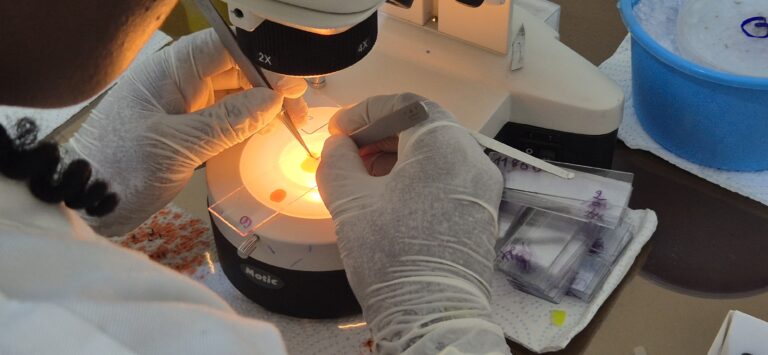
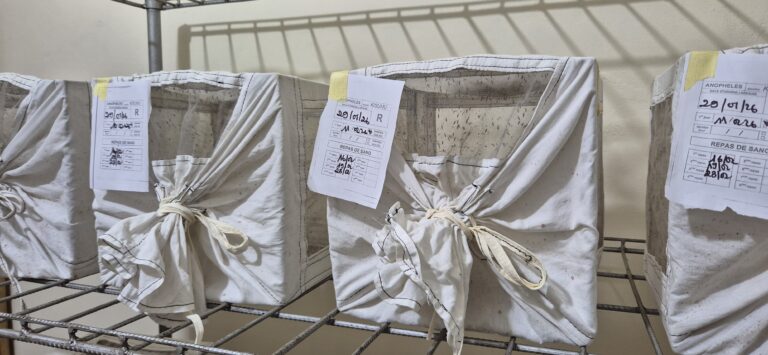
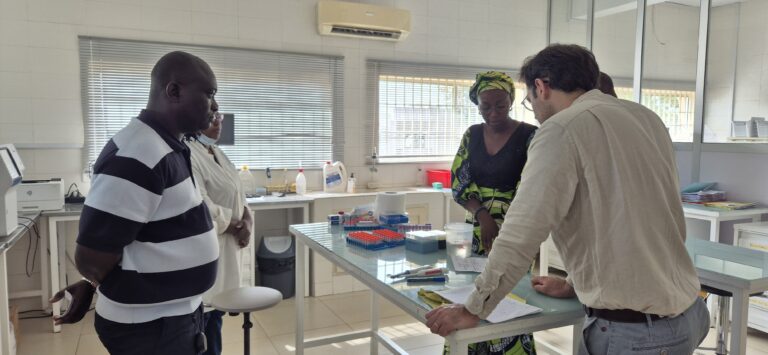
Malaria parasites must complete a complex lifecycle involving both humans and mosquitoes.
The WHO-approved vaccines, RTSS and R21, target only the early stages of infection in humans. PfVIMT takes a broader approach by simultaneously targeting two critical points in the parasite’s lifecycle.
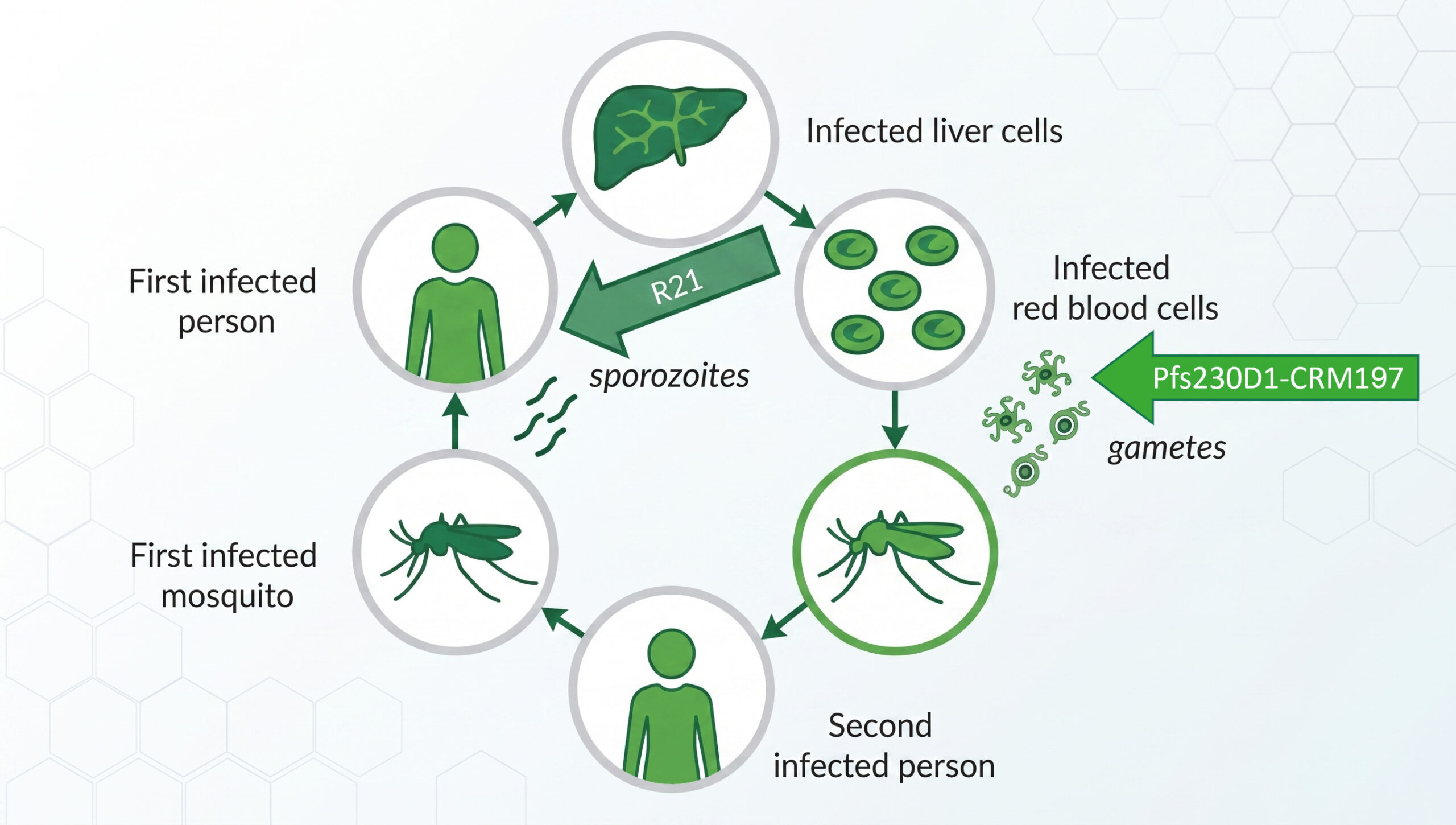
R21: Preventing Infection
The first component is R21, the malaria vaccine developed by the Jenner Institute and manufactured by Serum Institute of India Pvt. Ltd..
R21 targets sporozoites, the form of the parasite injected by mosquitoes during a blood meal. By preventing the parasites from establishing an infection in the liver, R21 helps protect individuals against malaria disease, with an efficacy of over 75%.
Pfs230D1: Interrupting Transmission
The second component is Pfs230D1, a transmission-blocking vaccine candidate initially developed through decades of research led by scientists from the National Institutes of Health (NIH) and their international collaborators.
Unlike conventional vaccines, Pfs230D1 does not primarily protect the vaccinated individual. Instead, it generates antibodies that are ingested by mosquitoes during blood meal and prevent the parasite from developing inside the vector.
This breaks the transmission cycle and reduces the ability of infected individuals to transmit the disease to others.
The PfVIMT Vision
By combining R21 and Pfs230D1 into a single vaccination strategy, PfVIMT aims to ensure:
Community-level impact that supports malaria elimination programs.
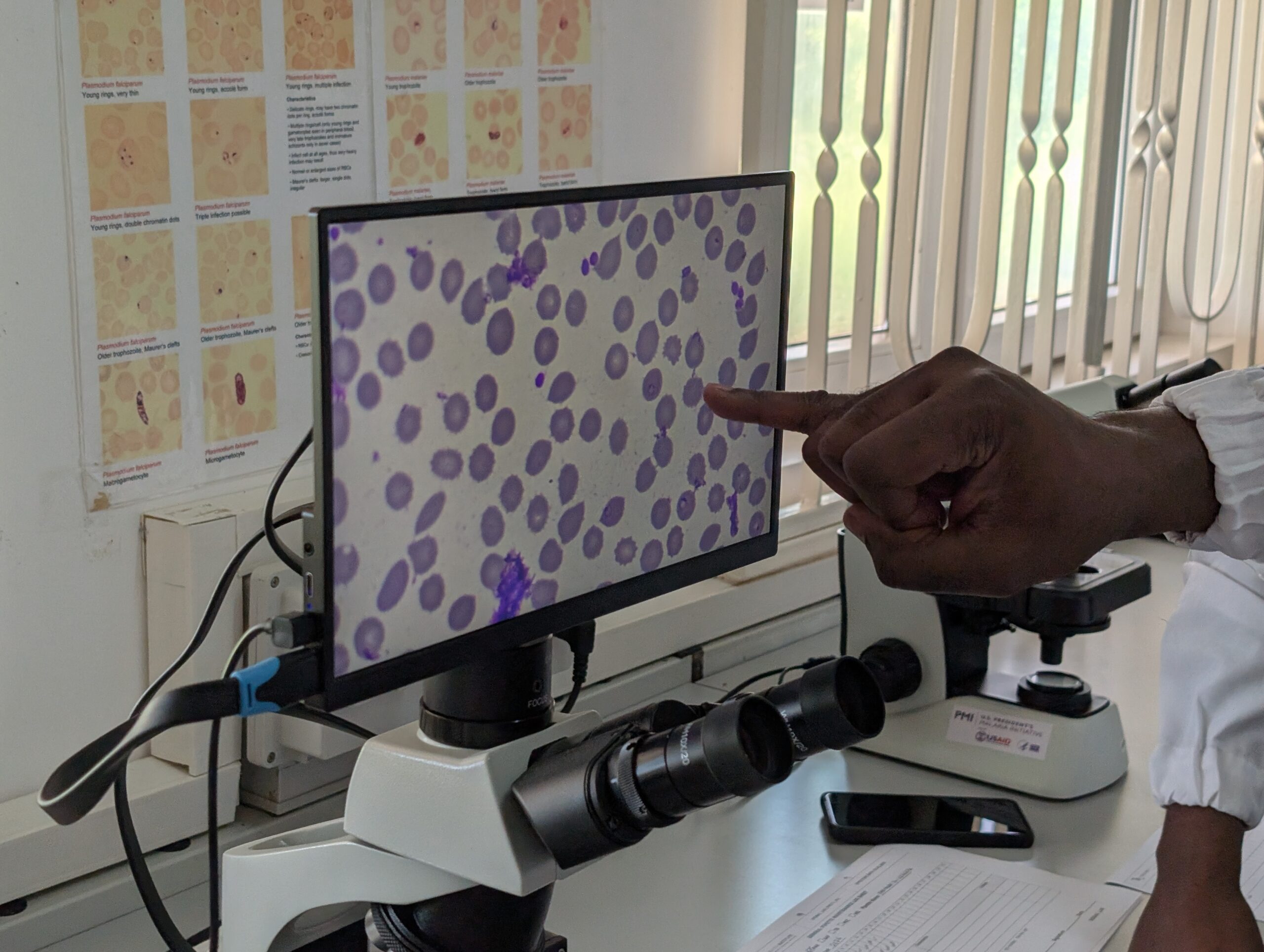
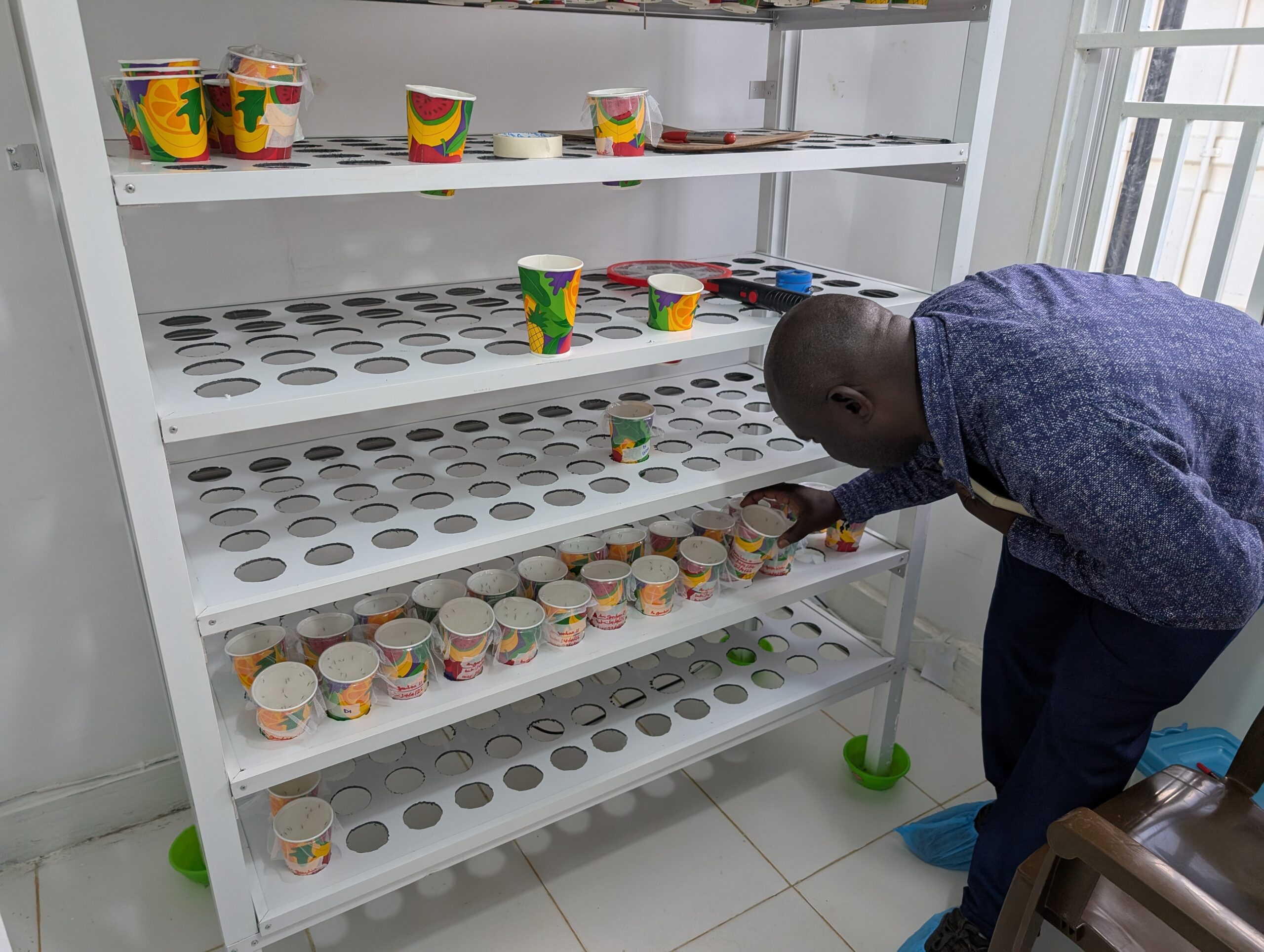
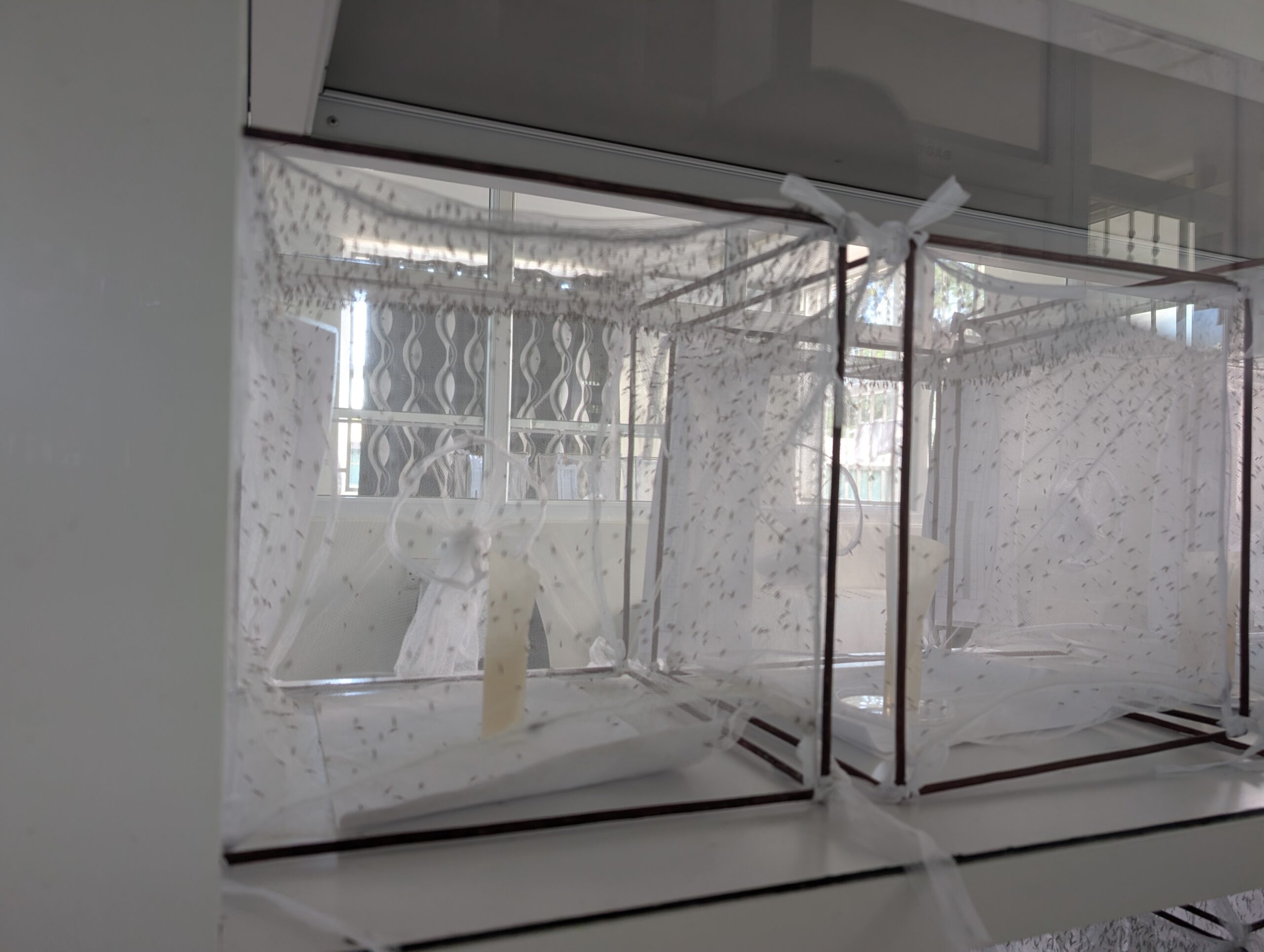
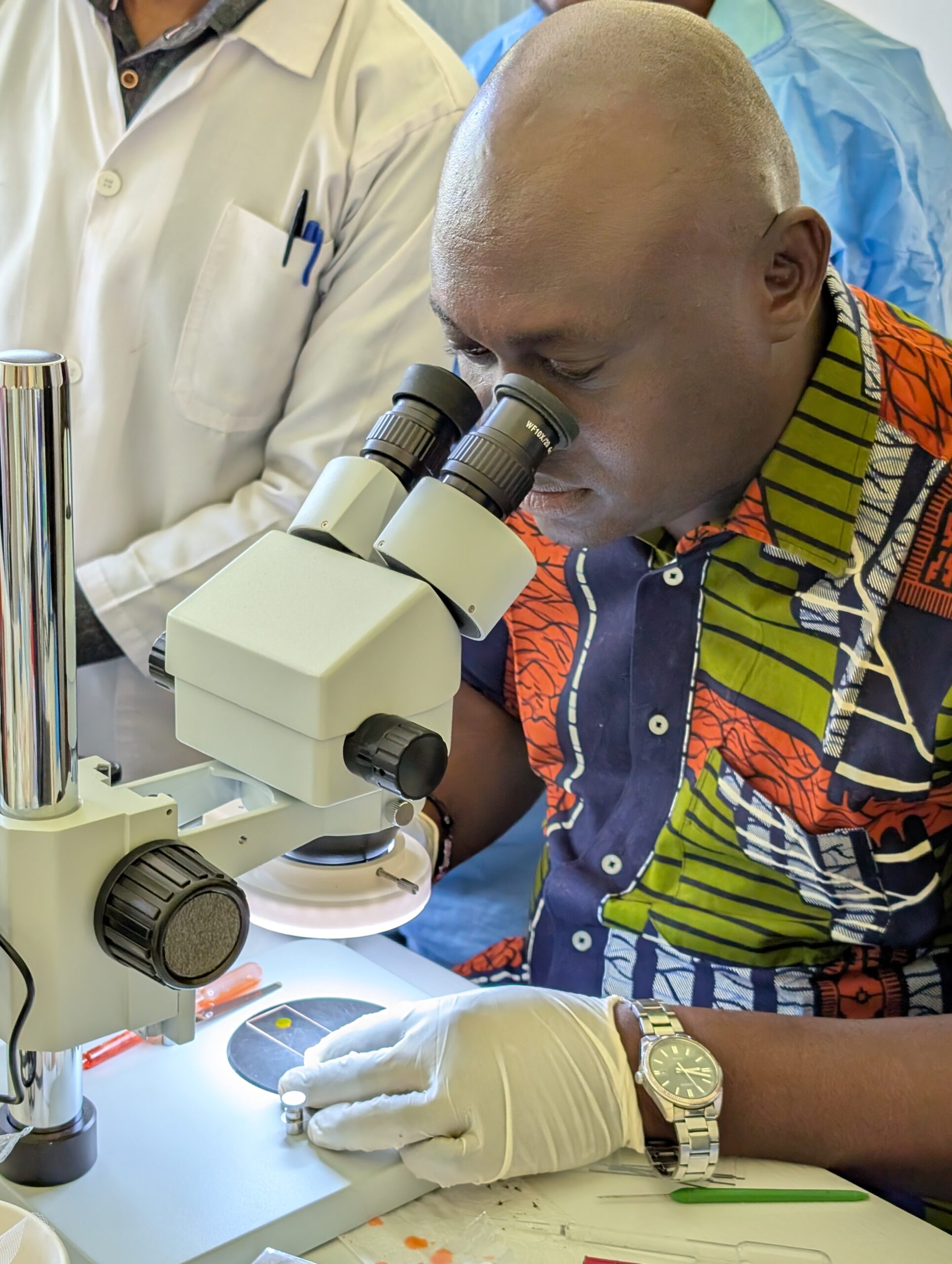
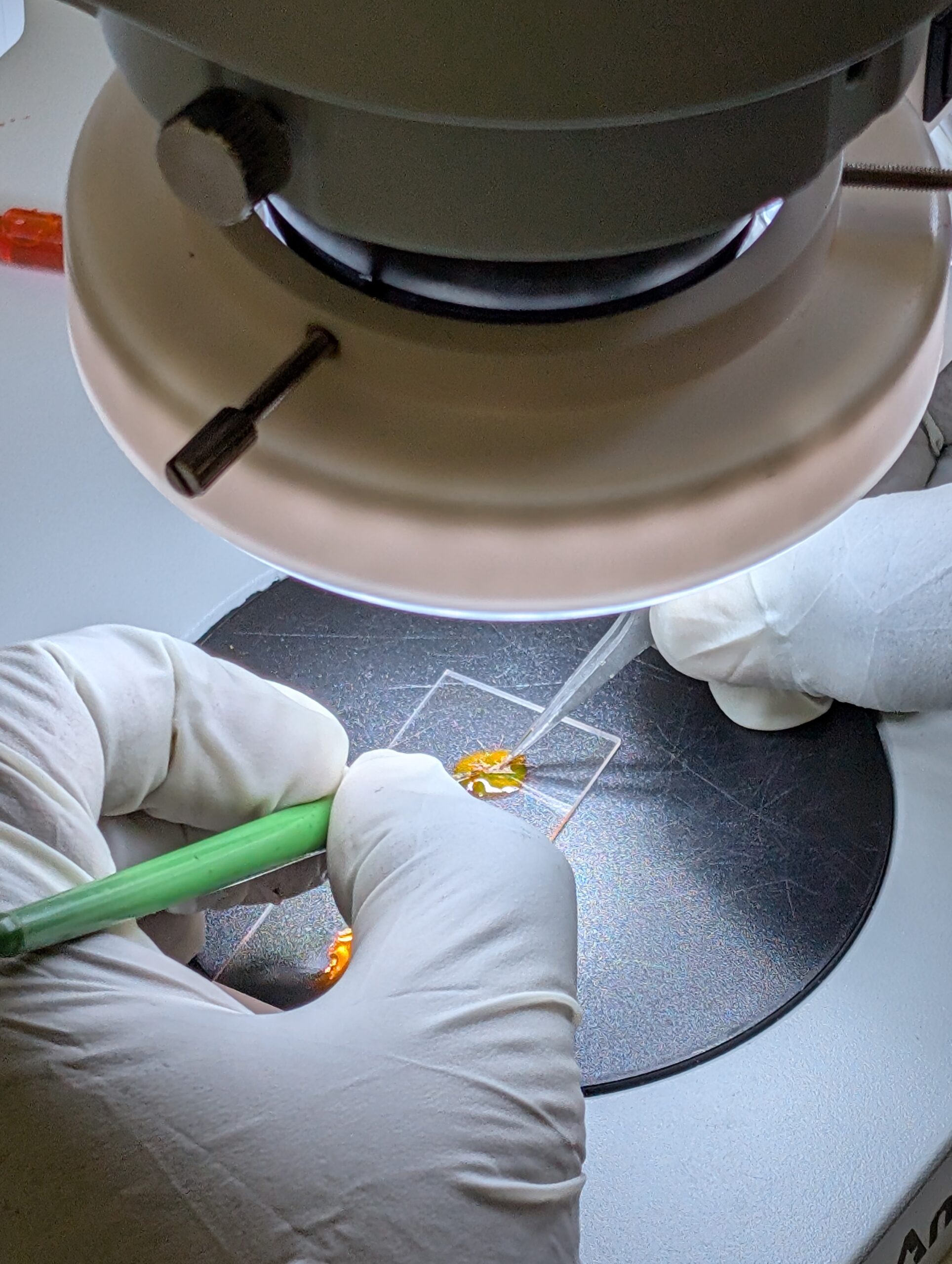
One of the PfVIMT’s key strengths lies in its use of the Direct Skin Feeding (DSF) method, considered the gold-standard method for evaluating transmission-blocking interventions.
In DSF studies, laboratory-reared mosquitoes feed directly on vaccinated volunteers under strictly controlled conditions. Researchers then assess whether vaccination reduces parasite transmission from humans to mosquitoes.
The project harmonizes DSF procedures across several African research centres with scientific support from leading modelling groups, notably those at Imperial College London, thereby creating one of the largest standardized transmission-assessment platforms ever established for malaria vaccine development.
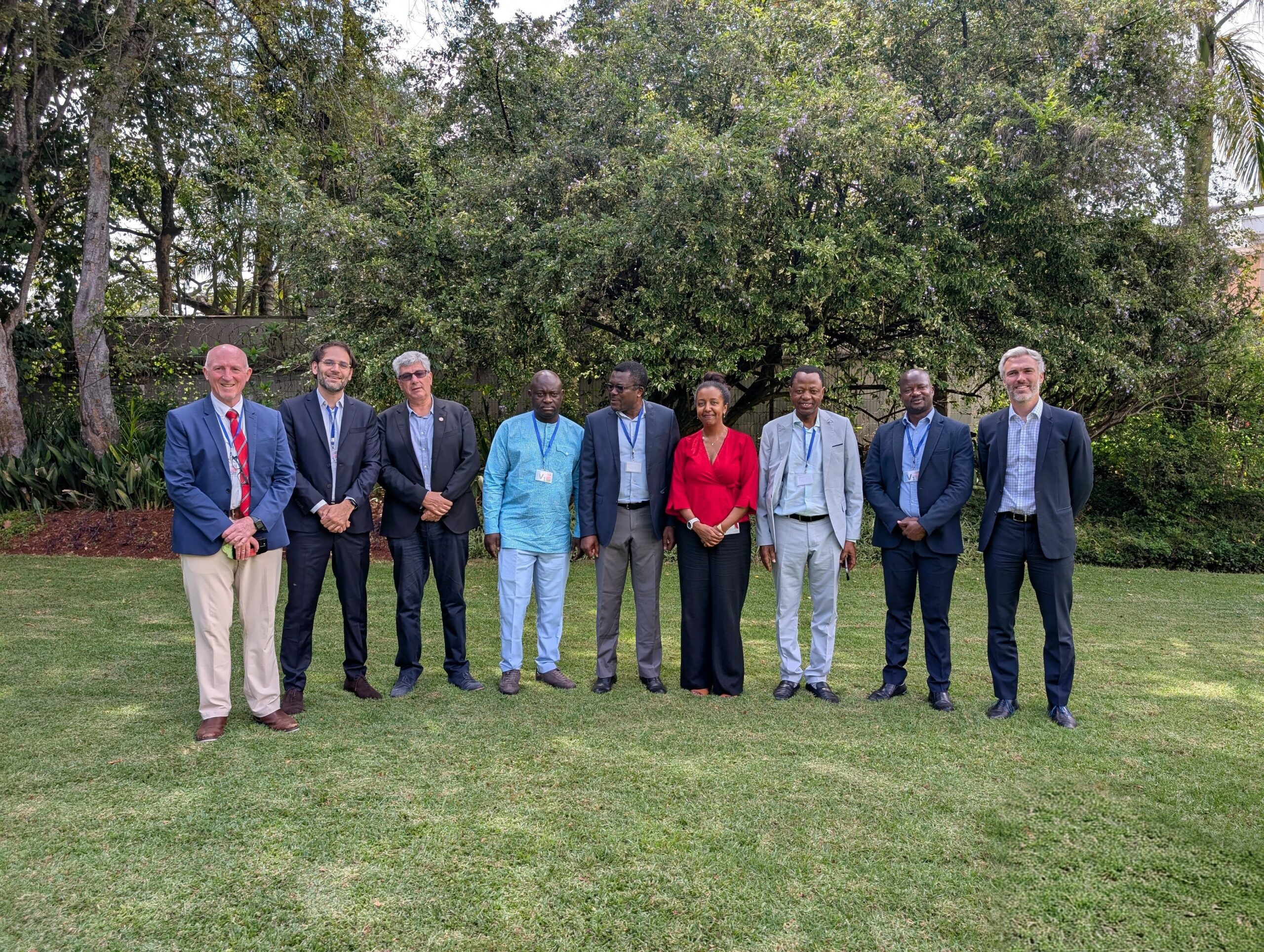
PfVIMT is coordinated by the French National Research Institute for Sustainable Developement (IRD) and led scientifically by the “Université des Sciences, des Techniques et des Technologies de Bamako (USTTB)”, reflecting the Global Health EDCTP3 initiative’s commitment to equitable partnerships and African scientific leadership.
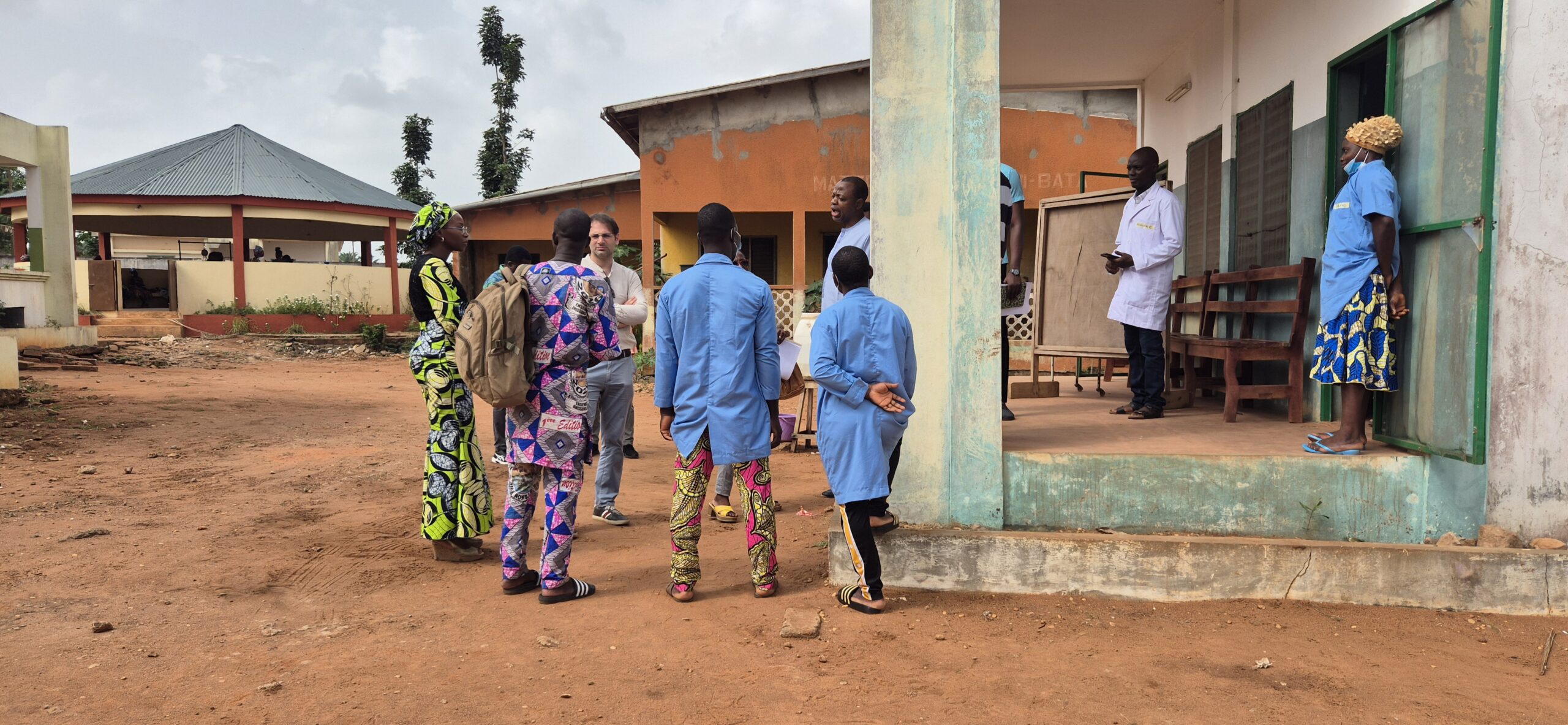
The clinical studies are conducted by a network of leading African research institutions, including:
The consortium also benefits from the expertise of international partners : the University of Oxford, Imperial College London, National Institutes of Health (NIH), Centers for Disease Control and Prevention (CDC) and Serum Institute of India Pvt. Ltd..
PfVIMT is a five-year research program (2025–2030) funded through the European Union’s Horizon Europe framework under the Global Health EDCTP3 Joint Undertaking, with a total budget of approximately €15 million.
The consortium spans Africa, Europe, Asia and America, bringing together expertise in clinical trials, vaccine development, parasitology, immunology, entomology, epidemiology, social sciences and regulatory science.